As you plan for this month's lesson, the following resources and ideas might be helpful.


Click here for the link to the 2016-17 Classroom Champions Planning Manual to find even more resources on Healthy Living from pages 21-24!
This month's video lesson may contain several big points:
- What Healthy Living embodies:
- Nutrition and hydration
- Sleep
- Exercise
- Saying no to underage drinking
- For olders: Body image
- Exploring Healthy Living:
- Vocabulary
- How to engage
- Healthy Living in Action
- Healthy Living on the Page
- For your own learning
- A challenge to the students that may include:
- Set a short term goal regarding a healthy choice with nutrition, sleep, or activity level.
- Involve their families in making a healthy choice with them -- trying a new physical activity together, trying a new fruit or vegetable, getting to bed a little earlier, or talking about underage drinking. Each student might be asked to report back to the class about how it went.
You may want to prepare for watching the video lesson by:
- Planning for vocabulary development as needed
- Preparing a Frayer model to make Fair Play more concrete by creating examples and nonexamples of Perseverance. Click here to view an example of a Frayer Model.
There will be lots of information that will be helpful in planning this topic below. Please pick and choose what works best for you and your students. Texts will be at the bottom of this blog entry.
Vocabulary Development

Healthy Living is a big contributing factor in how well your brain learns. This vocabulary may not be new for your students but this can be an opportunity to help them find ways to make it relevant in their lives and to include their family and friends as they explore ways to engage with healthy living in their daily lives.
Quotes about health from Brainy Quotes. Be careful with quote collections around health! Many meme collections are more along the line of promoting unhealthy habits, like exercising so a person deserves to eat. Scary stuff.
How to Engage in Healthy Living:
Healthy Living is a choice that is made multiple times everyday, be mindful of the resources students in your community have access to when exploring viable options for a healthier lifestyle. As noted above, despite access to certain resources, once of the basics of Healthy Living is the ability to make good decisions.
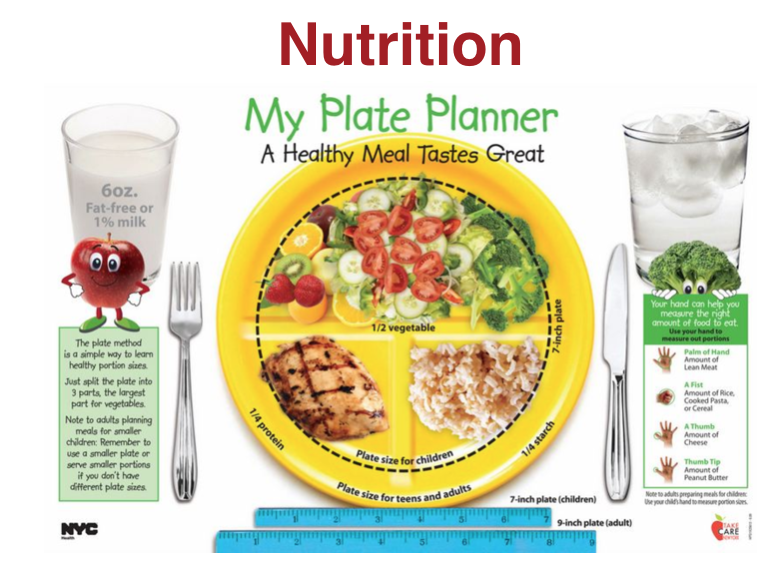

It is very helpful to learn how to read labels and have awareness about the ingredients in your food. This can be highlighted in core subjects such as Math for calorie counting or tracking their healthy food choices and creating a class chart. Defining the lengthy food names can make for an enlightening activity, including exploring where they originate in the world and their processing journey. Here is a link to an article with 10 different documentaries about how food is processed, you are the expert on your students to know how to present any documentary in regards to this information.
Ella Maya suggests writing a "healthy cookbook", which she did for her challenge! It included writing and math skills as they worked step by step through the process of creating several receipes.
Food deserts is a concept that may be new for your students to explore in regards to access for healthy food choices. Here is a link to explore the definitions of what a food desert is and a Food desert locator for the states.
The links below we will share websites with more information about meal planning and food access in both the US and CAN.
- Choose My Plate – MyPlate illustrates the five food groups that are the building blocks for a healthy diet using a familiar image - a place setting for a meal. Before you eat, think about what goes in your plate, in your cup, or in your bowl.
- The US Department of Agriculture’s website explains their efforts to improve and enhance the school food environment
- Health Canada: A great website that allows you to create your own food guide with your students, providing resources for educators and a food guide for First Nations, Inuit and Metis!
- Daily Mail Article: What school lunches look like around the world (scroll past big zombie banner ad at the top prior to making screen live for kids) Here's another link to an article about this via BuzzFeed (no zombies, but less explanation).
- Seedmap.org See where foods come from.
- Hungry Planet A photo book about who eats what and where. Food as cultural exchange might be a nice way to integrate nutrition and social studies.
- The Sandwich Swap was recommended during our planning meeting.
- Several extension services or farmers markets that offer monthly tastings in the schools. Please do a search for this in your geographic area. The Food Trust in the Camden, NJ area is an example of one such program.
- Nutrition Students Teachers Exercising with Parent’s mission is to educate and motivate people to EAT better, WALK more, LIVE longer with a goal to prevent childhood obesity
Hydration
Is there a fun way to engage in a service project around clean water for May in our We Are Champions month?
Up to 60% of the human adult body is water! According to H.H. Mitchell, Journal of Biological Chemistry 158, the brain and heart are composed of 73% water, and the lungs are about 83% water. The skin contains 64% water, muscles and kidneys are 79%, and even the bones are watery: 31%.
Sleep

Another sleepless night! Oh how that alarm clock becomes our enemy and the day drags out till we can return to bed. School aged children need 10 hours of sleep per night. Only 59% of kids grades 6-8 are getting that. –American Academy of Pediatrics survey.
- Article from Huffington Post titled 5 Scary Health Effects of Sleep Deprivation During the Teen Years, discussing how lack of sleep can cause issues with mental health, learning and behavioral troubles and substance abuse, with tips for what parents can do:
Exercise
This is also a great opportunity to refresh students on what they learned in their exploration of Fair Play!
It’s important to incorporate fun and play into exercise! It can help take the mind off the sore muscles :) Exercise helps students improve the quality of their sleep, aids in the development of important interpersonal skills due to participation needed in team sports. Kids who exercise also have greater self-esteem and better self-images.

- Stretching together as a class can help students get motivated. The Colorado Education Initiative has put together a Teacher Toolbox for Physical Activity Breaks in the Secondary Classroom.
- Recommended by Mentor Coordinator Andy: Exercise changed a neuroscientist’s life and now she wants to change yours (Huffington Post).
- Indoor recess Pinterest Board
- Christian Science Monitor summarizes the American Academy of Pediatrics policy statement on the importance of recess and free play.
- Playworks.org – a free, searchable library of indoor and outdoor recess games. You can filter by age, time limit, location, and equipment.
- GoNoodle.com is an awesome brain break.
- Presidential Active Lifestyle Award Paper logs and online logs are both options for tracking activity 5x/week for 6 out of 8 weeks.
- Let's Move campaign about activity, gardening, drinking milk, and making good food choices.
- Let's Move: Active Schools has ideas about making systemic change in a school to include more physical activity. Geared toward US schools.
- Many well known charities dealing in health have education components too, like Jump Rope for Heart or the Heart and Stroke Foundation.
- Mary Moran shared a link some great resources about healthy snacks and daily physical activity for students!!!
Saying no to underage drinking
You know your community and your students the best. Many Athlete Mentors will talk about this, please navigate this topic as you see fit.

- Safe & Sober: Alcohol's effect on teenage brain-animation (video): https://www.youtube.com/watch?v=EY37BFmVxwQ
- Ask Listen Learn resources for 2017: You can find vocabulary to parts of the brain and nervous system and ways alcohol effect them, interactive games, free lessons and too much more!
- A similar organization in the UK: Drink Aware
- “Talk: They hear you” campaign: Related to avoid unhealthy substances is the conversation about tobacco use, and especially e- cigarettes or vaping that seems to have a marketing approach aimed toward children.
For olders: Body image

Please know your community before exploring these resources. Some ideas about body image were requested by some of our middle school teachers last year.
- Tread carefully on health quotes online. Many are disguised pro-eating disorder or encourage super unrealistic body images, often called Fitspo. If you have older students who might be looking at these unrealistic memes online, Buzzfeed did a really funny talk back to them. Find it here. Learn why Fitspo is dangerous in this Huffington Post article.
- A round-up of body positive social media campaigns here. You might be familiar with Dove's Real Beauty campaign, six-minute video here about forensic artist who makes drawings of people based on their own overly critical descriptions. Or this one, where women chose between a door that labels them beautiful or not.
- Not only women struggle with body image. This photo project shows that "ideal" male bodies are really culturally specific. An honest article from a man about poor body image, and reactions to that article curated by him afterwards (Both from Huffington Post)
Healthy Living in Action:
This is a great time to start a new or extend upon any service projects started in your school community during the month of March for Leadership!
- Kids might take time to interview some adults in their life about how the adults make healthy meals and why they make those good choices.
- If you have a school lunch staff, you might invite them in to say hello and talk about how they prepare food for the students.
- How about an instructional video about a fun playground game or a brain break in class? Other classes could take a look and write back on how it went.
GoNoodle is designed with K-5 classrooms in mind. Free and it’s body shaking fun! Kate speaks on this :) Kate’s favorite is Koo Too Kanga Roo!
Stretching together as a class can help students get motivated. The Colorado Education Initiative has put together a Teacher Toolbox for Physical Activity Breaks in the
This is a good time to think about foods that connect the global community. Is there a food item that most cultures enjoy? The series Cooked on Netflix is excellent at looking at how the elements of Fire, Water, Air & Earth are incorporated in food around the world. See the trailer here.
Oklahome Ag in the Classroom is a program of the Oklahoma Department of Agriculture, Food and Forestry that offers tons of free lessons and resources for teachers based on 4-H clubs.
Want to make bread in a bag! Norm Wong recommends this recipe to make this simple and delicious homemade bread.
Healthy Living on the Page:
- Consider what you have already covered:
- Analyze books and stories you have read this year. Are there any characters that struggled with making healthy choices?
- Can you identify any of their actions steps to make better choices?
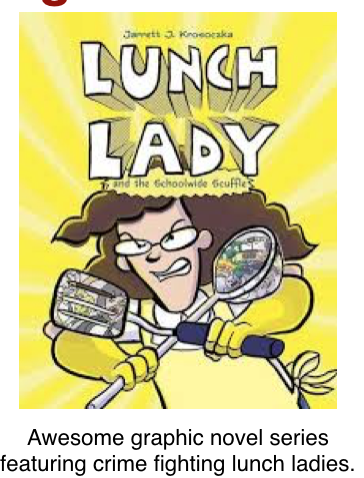
- The Lunch Lady books. A head lunchroom cook takes on crime with spy gadgets including a super spatula. Link: http://www.goodreads.com/search?q=lunch+lady
- Chew on this: Facts you don’t want to know about fast food. This is the teen companion to the book and movie Fast Food Nation. NYT book review here.
- Betty Crocker Kid’s Cookbook The Elvis themed banana smoothie is pretty good, actually. So is the chili.
- Many of our CC teachers, especially Warren Moody in Alberta CAN grade 7-8, have invited families to send in a photo or note about one thing they did over HL month together: cooking, a walk, everyone buckled up in the car, etc. as a homework assignment. Families have said it really motivated them to think about how they are talking about HL with their kids.
- Laureen and Myrna share a link to HealthyU cookbooks are great for families in Alberta Canada, Portion Size kits are useful and easy for kids to relate to. Some kits can be borrowed for your school for several weeks, like sugar and fat content with visuals.
- Coming to us from Lisa Whitworth is the book Who Grew My Soup? Which tells the story of young Phineas Quinn and his questions about the vegetable soup his mom serves for lunch.
For Your Learning:
As we talk about Healthy Living for our students it is just as important that we talk it for ourselves. How do we take care of ourselves as teachers so we can continue to inspire everyday. Share with us in the chat box what are your favorites exercises and apps for sleeping or to keep calm?
Some resources that I enjoy are:
- With testing coming around finding time for quiet brain breathing can really help: Headspace as a nice Heathly Living app that might get folks through the testing season?
- If you are like me some time at night the task list can start and an app Relaxing Melodies brings ambient sounds that you can mix and match really tailoring it to your needs.
- Sadly with each passing day we get a bit older, here is a link to an article about how to eat wisely as we age
- A short article on 7 great tips to help handle stress in the workplace like including omega-3 fats in your diet helps reduce stress and boost mood and looking for the humor in what seems to be a bad situation.
- Starling is an app, recommended by Martina McQuire, which takes you through strategies and resources of guided meditations and mindfulness.
For more information about healthy living see below!
- Drop Dead Healthy: One man's humble quest for bodily perfection (Goodreads) Write AJ Jacobs is known for documenting his experiments in learning projects (like reading the entire encyclopedia in a year, or living according to various interpretations of Biblical law for a year). In this book, Jacobs tackles everything from diet trends to alternative toilet seats. Laugh out loud funny in parts. Related TED Talk "How Living Healthy Almost Killed Me" here.
- A US government produced film from the 1950s about healthy eating. Ralph is a picky eater, and the soundtrack clearly has an opinion about that (cue villain music). Ralph has no pep.
- Jamie Oliver's Food Revolution is a cookbook (a really good one), a movement, and was a tv show briefly. He rails against the fact that few people know how to cook any more (especially low income people) and that American school lunches are worse than prison food. Twenty-one minute TED talk here. Pardon his swearing. He's English, and admits that he is ranting because he is so upset.
- NPR did an interesting story about cooking classes for English Language Learner adults, which is a really innovative way to connect culture and language. Link here.
- How Poor Sleep Impacts Mental Health in Students: https://www.youtube.com/watch?v=9DQ1ZRN9Gog
- CBS coverage Teens Pay the price for lack of sleep: http://www.cbsnews.com/news/teens-pay-price-for-lack-of-sleep/

No comments:
Post a Comment